エピソード

  • Trade War Hits HR: Planning in the Fog
    2026/04/16
    Tariffs, supply chain disruptions, and economic uncertainty have landed squarely in HR's lap. John and Jackye talk through what HR leaders are actually doing when the business environment shifts faster than any workforce plan can accommodate, and how to lead teams through decisions that cannot wait for clarity. Key Takeaways: Trade policy volatility is not just a finance problem — it forces HR to make compensation, headcount, and hiring decisions under incomplete information. Scenario planning is the most practical tool HR has right now; waiting for certainty before acting is itself a decision with consequences. Leaders who communicate uncertainty honestly build more trust than those who project false confidence or go silent. Hiring freezes in reaction to tariff news often damage long-term talent pipelines more than the immediate cost savings justify. Compensation strategy gets complicated fast when cost pressures meet a labor market that still expects wage growth. HR needs a seat at the table when executive teams are modeling financial scenarios, not just when the decisions are handed down. Employee anxiety rises when external news is bad and internal communication is absent; proactive messaging is not optional. Global companies face layered complexity — workforce implications of trade disputes differ significantly by region and role type. Workforce agility, cross-training, and internal mobility become competitive advantages when external conditions are unpredictable. The best HR leaders right now are separating what they can control from what they cannot, and acting decisively on the former. Keywords: trade war, HR strategy, workforce planning, tariffs, economic uncertainty, headcount decisions, compensation, employee communication, scenario planning, HR leadership
    続きを読む 一部表示
    50 分
  • Signal Over Volume: The Applicant Flood Nobody Asked For
    2026/04/09
    Hiring teams did not ask for hundreds of applications per role, but that is the reality right now. John and Jackye dig into what happens when volume becomes the enemy of quality, how AI-generated resumes are distorting the top of the funnel, and what recruiters can actually do to find real candidates inside the noise. Key Takeaways: The surge in applicant volume is driven by AI tools that make mass-applying frictionless, not by a larger qualified talent pool. ATS systems were built to manage workflow, not to distinguish genuine candidates from spray-and-pray applications. Recruiters are spending more time screening and less time actually recruiting, reversing the value of automation. Signal is buried when every resume looks polished and every cover letter sounds the same. Skills-based filtering and structured screening questions can restore some signal before a human ever reads a resume. Speed to reject matters as much as speed to hire; leaving candidates in silence damages employer brand. Hiring managers need to be reset on what a realistic applicant pool looks like today, because their benchmarks are outdated. Referrals and internal mobility are becoming more valuable precisely because they bypass the volume problem entirely. The recruiter's job is shifting toward talent advisory, but the applicant flood is pulling it backward toward administrative triage. Organizations that define what a qualified candidate actually looks like before posting the job get better signal from day one. Keywords: applicant volume, recruiting, talent acquisition, AI resumes, ATS, candidate screening, hiring quality, recruiter strategy, employer brand, skills-based hiring
    続きを読む 一部表示
    1 時間 2 分
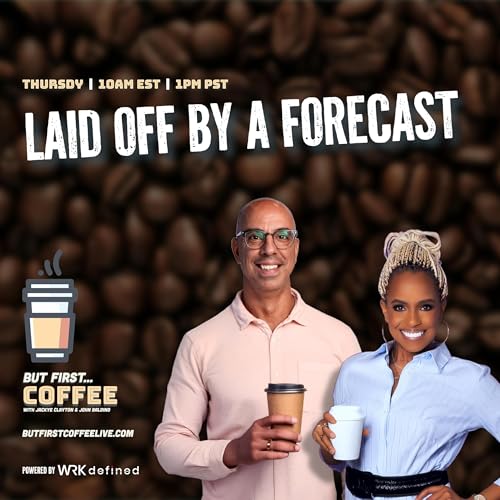
  • Laid Off by a Forecast
    2026/04/03
    Oracle just cut 30,000 jobs before most people finished their first cup, all to fund AI data centers. A new CEO survey reveals AI-driven cuts will be 9x higher than previously projected. This episode digs into what happens when workforce decisions are made by financial models instead of people managers, and what HR leaders need to do about it right now. Key Takeaways: Oracle's 30,000-person layoff signals a shift from traditional restructuring to AI-investment-driven workforce reductions CEO surveys now project AI-driven job cuts at 9x the rate previously forecasted Financial forecasting models are increasingly replacing human judgment in headcount decisions HR leaders must understand how AI investment priorities directly impact workforce planning The gap between C-suite AI optimism and frontline employee anxiety is widening Companies are rebranding layoffs as "strategic realignment" to mask AI displacement Severance, reskilling, and outplacement programs have not kept pace with the speed of AI-driven cuts Transparency in communicating workforce changes remains a critical leadership gap Employees laid off by forecast models face different reemployment challenges than those in traditional layoffs HR's role is shifting from managing change to anticipating algorithmic workforce decisions Keywords: AI layoffs, workforce reduction, Oracle layoffs 2026, AI-driven job cuts, CEO AI survey, workforce planning, HR leadership, algorithmic workforce decisions, AI data centers, employee displacement
    続きを読む 一部表示
    54 分
  • Swag Report LIVE from Transform 2026
    2026/03/24
    What happens when HR's biggest conference meets your favorite coffee-fueled duo? John Humareso and Jackye Clayton hit the Transform 2026 conference floor for a live swag report, grading the best (and worst) vendor merchandise on display. Key Takeaways: The swag game at HR tech conferences reveals more about a brand than any booth demo Best-in-show items that attendees actually kept versus what hit the hotel trash can Why branded merchandise matters for employer brand and vendor recall The evolution of conference swag from pens and stress balls to premium giveaways Live reactions and crowd favorites from the Transform 2026 exhibit hall What your swag choices say about your company culture Tips for vendors: what conference attendees actually want to take home Keywords: Transform 2026, HR conference, conference swag, employer brand, HR tech vendors, branded merchandise, conference marketing, vendor booth, HR technology, workplace culture
    続きを読む 一部表示
    1 時間
  • What Hiring Actually Looks Like Right Now
    2026/03/19
    Hiring sounds clean in demos and messy in real life. In this episode, John and Jackye talk about what candidates and hiring teams are actually experiencing right now. Broken systems, tools without ownership, and AI that can organize data but can't replace judgment. This is an honest look at talent acquisition without the vendor gloss. Key Takeaways: The gap between how hiring tools are sold and how they actually perform in daily recruiting workflows continues to widen. Many organizations have invested in technology without assigning clear ownership, leaving tools underused or misconfigured. Candidates are experiencing longer, more fragmented hiring processes despite the promise of automation. AI can sort resumes and schedule interviews, but it cannot evaluate cultural fit, motivation, or potential. Hiring managers and recruiters often operate with different definitions of what "qualified" means for the same role. The best hiring outcomes still come from human judgment applied at the right moments in the process. Speed to hire has become a competitive advantage, but only when it does not sacrifice candidate quality. Internal mobility and referral programs remain underutilized compared to external sourcing channels. The recruiter role is evolving from sourcing specialist to strategic advisor, and not every organization is keeping up. Transparency with candidates about timelines, compensation, and process builds trust that technology alone cannot. Keywords: talent acquisition, hiring process, recruiting technology, AI in hiring, candidate experience, hiring manager alignment, recruiter strategy, internal mobility, hiring speed, workforce planning
    続きを読む 一部表示
    59 分
  • Human Brand in an AI World
    2026/03/13
    AI is reshaping how we work, hire, and communicate. But what happens to the human side of branding when algorithms are writing the first draft? In this special Friday edition of But First, Coffee, recorded live from TalentNet in Austin, Jackye Clayton and John Baldino dig into what it means to build and maintain a human brand in an AI-driven world. They explore where AI helps, where it falls short, and why authenticity still wins when everything else can be automated. Key Takeaways: AI tools can accelerate content creation, but they cannot replicate the trust built through genuine human connection. Employer branding suffers when organizations automate messaging without a clear human voice behind it. Candidates increasingly detect AI-generated outreach and disengage from impersonal recruiting touchpoints. Authenticity in leadership communication drives higher employee engagement and retention. Organizations need a deliberate strategy for where AI assists versus where humans lead. Personal branding matters more than ever because AI makes generic content abundant. The most effective talent acquisition teams combine AI efficiency with human judgment and empathy. Culture cannot be automated. It is built through consistent, human decisions. Transparency about AI use in hiring and communication builds, rather than erodes, trust. Small, intentional human touches in candidate experience outperform polished, automated workflows. Keywords: human branding, AI in HR, employer branding, talent acquisition, authentic leadership, AI hiring tools, candidate experience, personal branding, workplace culture, HR technology
    続きを読む 一部表示
    25 分
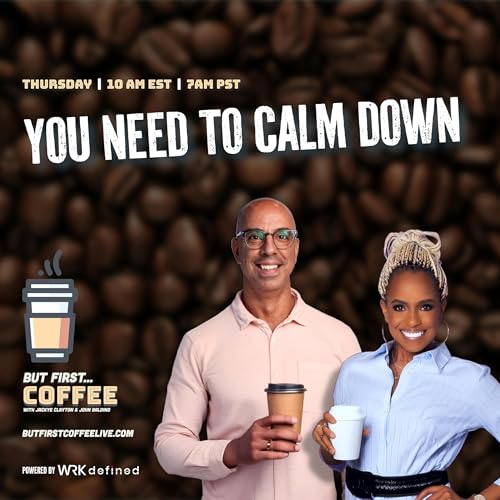
  • YOU NEED TO CALM DOWN
    2026/02/26
    Workplace tension is rising as employees bring heightened emotions from social media, politics, and cultural flashpoints into the office. This episode explores how HR professionals and leaders can help teams navigate charged environments, practice self-regulation, and maintain civil discourse without silencing diverse viewpoints. Key Takeaways: Gratitude is a powerful tool for resetting emotional reactivity before it spirals Social media algorithms feed anger loops that employees carry into work Self-regulation is a skill that must be practiced, not just expected People with opposing viewpoints work side by side every day and need frameworks for coexistence Hate-driven marketing generates viral engagement but is unsustainable for brands and culture HR must distinguish between personal beliefs and workplace behavior standards Listening without agreeing is a leadership skill that builds trust Fear is driving isolation and retreat from community and relationships Media literacy matters because misinformation erodes trust across generations Mental health resources like 988 and 211 are available and should be normalized 00:00 - Opening banter and Taylor Swift song choice 05:30 - Gratitude as a reset button for emotional tension 10:00 - Olympics controversy and performative outrage vs. real support 17:00 - Social media algorithms and the anger feedback loop 23:00 - LinkedIn platform changes and information overload 28:00 - Fox News ratings and navigating political viewpoints at work 33:00 - Jimmy Seafood viral moment and hate-driven marketing 38:00 - Listening across differences without requiring agreement 43:00 - Fear driving isolation and the hermit workforce 48:00 - Mental health resources and closing encouragement Keywords: workplace tension, self-regulation, emotional reactivity, media literacy, political viewpoints at work, HR conflict resolution, social media algorithms, employee mental health, civil discourse, workplace culture
    続きを読む 一部表示
    1 時間 3 分
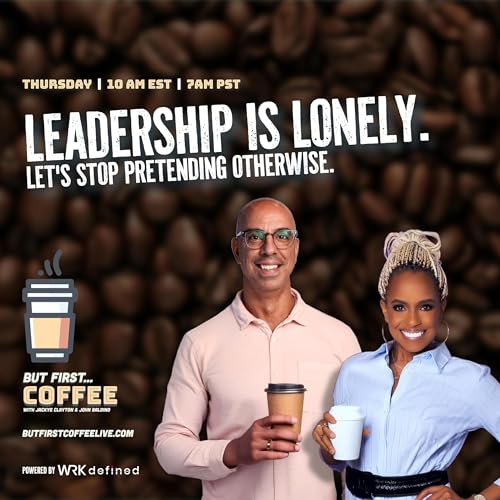
  • Leadership Is Lonely. Let's Stop Pretending Otherwise.
    2026/02/19
    Nobody warns you that leadership is lonely. Jackye Clayton and John Baldino have an honest conversation about what happens when you step into a leadership role and realize that your work friends may no longer be your friends, your decisions will make you a target, and no one prepared you for the isolation. From personal stories about transparent bosses to parenting as leadership practice, they explore why managing loneliness is a core leadership competency that almost no one teaches. Key Takeaways: Leadership loneliness is real and almost never addressed in development programs The ability to self-regulate during isolation is a critical leadership skill Work friends often become complicated once you step into a leadership role Transparent leaders earn loyalty by showing their team the full picture including bad news Leaders must give credit away when things go well and absorb blame when they do not Physical health routines are often the first thing leaders sacrifice and the first thing they need If you are off your equilibrium routine for a month, expect two months to recover The difference between leadership and management determines whether people respect or resent you Parenting adult children mirrors workplace leadership through trust, letting go, and allowing failure Your leadership style at home will show up at work whether you intend it to or not 00:00 - Opening banter and catching up after travel 06:00 - How the show topic arrives and why leadership is lonely 12:00 - Global CHRO challenges versus domestic HR leadership 18:00 - WorkHuman conference stories and career-changing leadership moments 24:00 - Why everyone wants to criticize leaders from the sidelines 30:00 - First lessons in leadership loneliness and who you can talk to 36:00 - Solopreneurs face the same isolation as organizational leaders 40:00 - Loneliness as a skill and maintaining personal equilibrium 46:00 - The boss who crumpled the bad numbers and moved on 52:00 - Parenting as leadership and letting adult children make their own choices Keywords: leadership loneliness, leadership development, management versus leadership, self-regulation, transparent leadership, psychological safety, executive isolation, leadership skills, work relationships, leader wellbeing
    続きを読む 一部表示
    1 時間 2 分